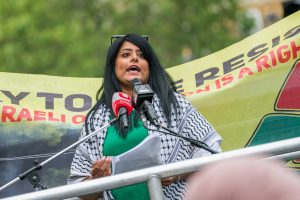
Maz Saleem in her own words
IHRC have curated some of the late Maz Saleem’s speeches here. There are so many to choose form and this is just a small taste of her activism these last 13 years.
IHRC have curated some of the late Maz Saleem’s speeches here. There are so many to choose form and this is just a small taste of her activism these last 13 years.
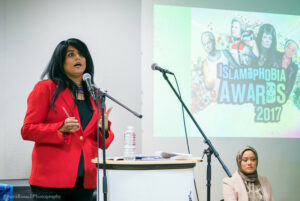
In honour of our late sister, Maz Saleem, we are compiling some of her speeches and articles. This page is dedicated to the acceptance speech she gave at the 2017 IHRC Islamophobia Awards. Watch it below or read the transcript underneath.

The Charity Commission stands accused of operating a system of two-tier regulation. While it wields a cudgel against innocent Muslim charities to enforce a wider hostile environment political strategy against the community, it has done little to address the mounting concerns about Jewish institutions flouting

On Friday 19th June was the ninth anniversary of the murderous attack on Muslims leaving taraweeh prayers at a mosque in Finsbury Park, north London (UK). One man was killed and several were injured, some with life changing injuries. This is our response to the

IHRC’s head of Advocacy, Abed Choudhury, briefly explains why no-one should be surprised at the Court of Appeal’s decision in the Palestine Action case. Human rights activists and lawyers need to understand that the issues unfolding before us are structural and systemic. Without the understanding

Camilla Turner, political editor of the UK’s The Telegraph has written to IHRC again. See our response, and her enquiry below. IHRC Response Camilla, Re: your enquiry of 28 February 2026 It appears we have been asked the same question about

Renewed attacks by pro-Israeli figures on IHRC, have seen this last two weeks, attacks on its bookshop and gallery around the artwork ‘Kuffiyeh Resistance’ by artist Intifada Street. A brief summary posted on X can be found first after our response to the Reform UK

The demonisation of Muslims is now embedded in the various discourses of the nation, argues Arzu Merali. Originally written in 2017, this piece tackles the institutionalised narratives of hate – often dressed up as concerns for security or rights –and argues that countering them needs to